
Clinical Improvement Following an Integrative Iboga Microdosing Protocol in Post-Concussive and Hypoxic Brain Injury Syndromes: A Case Series
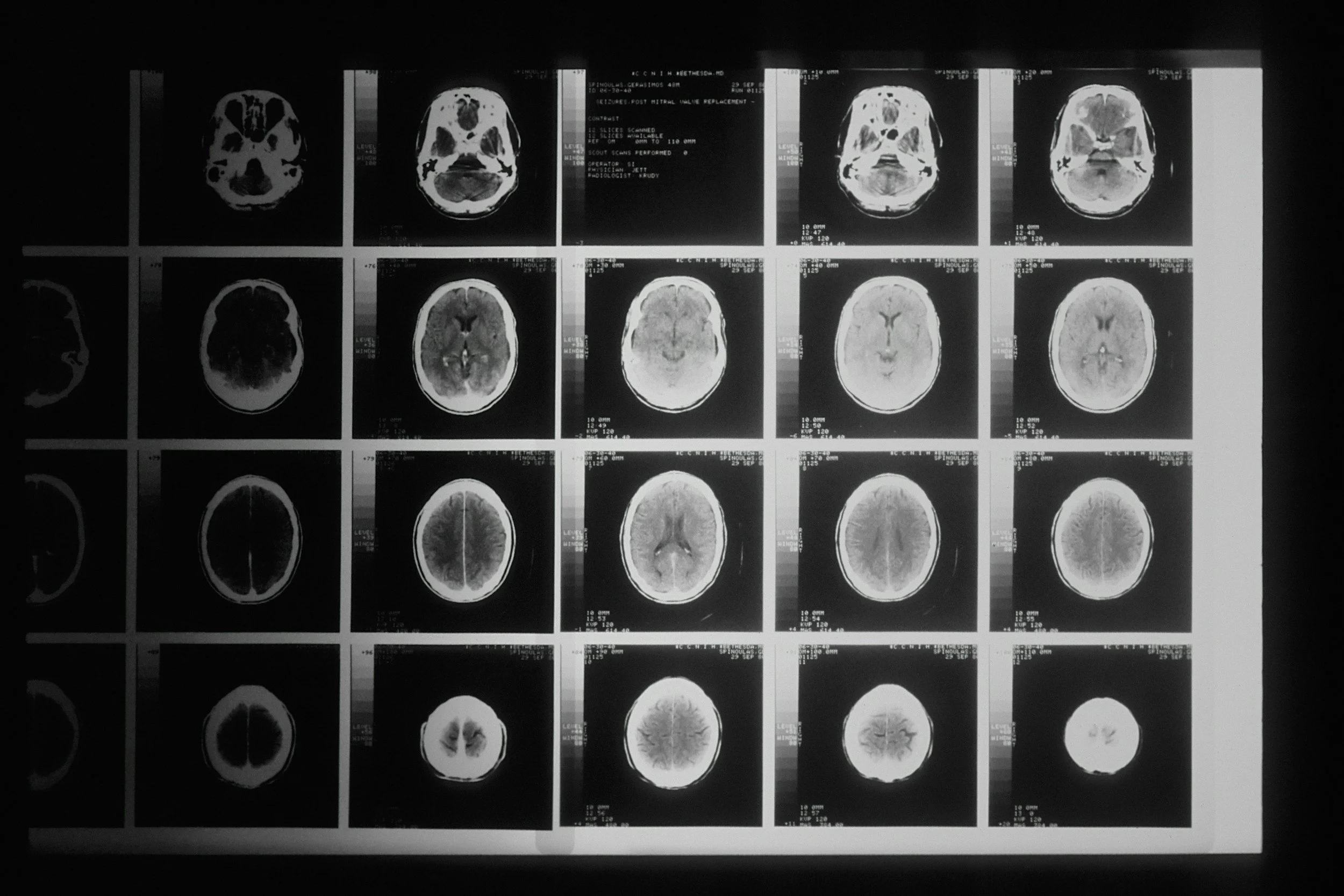
In this open-label case series (n = 3) patients with: post-concussive syndrome (TBI-related), chronic hypoxic-ischemic brain injury followed a 6-week integrative iboga-containing “microdosing” protocol Tabernanthe iboga root bark biomass (estimated ibogaine exposure ~3.8–38.5 mg/day) combined with weekly Accelerated Experiential Dynamic Psychotherapy (AEDP) and supportive nutraceuticals. All three participants showed progressive improvement over the 6-week protocol, including:
reduction in headaches and migraines
improvement in brain fog and cognitive slowing
reduced fatigue and disequilibrium
improved sleep quality
reduced irritability and mood instability
The paper provides hypothesis-generating clinical observations suggesting potential symptomatic and functional improvement in chronic brain injury following an integrative iboga microdosing + psychotherapy protocol. But it does not establish efficacy or causality.
“Background: Traumatic brain injury (TBI) can result in prolonged post-concussive syndrome, while chronic hypoxic-ischemic brain injury (HIBI) produces persistent neurological and cognitive impairments that remain therapeutically challenging. Conventional treatments often provide limited relief; emerging research explores alternative interventions, including psychedelic compounds combined with psychotherapy.
Objective: This naturalistic case series examines clinical observations following an integrative, participant-directed iboga-containing microdosing protocol paired with Accelerated Experiential Dynamic Psychotherapy (AEDP) in three individuals with persistent neurologic symptoms after TBI or hypoxic-ischemic brain injury.
Methods: Three participants completed a six-week protocol using Tabernanthe iboga root bark biomass (participant-directed titration 0.1–1.0 g/day, 4-days-on/3-days-off). qNMR/HPLC analysis demonstrated approximately 3.845% ibogaine content, yielding estimated exposure of 3.8–38.5 mg/day ibogaine-equivalent. All used whole root bark biomass. Weekly AEDP psychotherapy and supportive nutraceuticals were provided concurrently. Patient One: A 43-year-old man with TBI from a motorcycle accident. Patient Two: A 40-year-old woman with chronic hypoxic brain injury from avalanche burial. Patient Three: A 19-year-old woman with TBI from a motor vehicle accident. Results: All three patients showed progressive neurological recovery over the six-week protocol, with two achieving complete symptom remission at long-term follow-up. Initial symptoms included daily headaches, episodic migraines, disequilibrium, irritability, mood swings, fatigue, brain fog, sleep disruptions, and loss of interest in activities. At protocol conclusion and follow-up, patients discontinued all symptomatic prescription medications, reporting resolution of severe migraines, brain fog, fatigue, and irritability, with stabilized mood and renewed enthusiasm for life. All consented to publication of their improvement journey. Safety Considerations: The microdosing protocol included rigorous screening to mitigate cardiac and neurological risks of iboga, including drug interaction checks and contraindications for heart conditions or SSRI use.
Conclusion: This case series provides hypothesis-generating observations on clinical improvement following integrative iboga microdosing with psychotherapeutic and supportive care. Findings do not establish causality or specific efficacy and must be viewed in the context of multimodal therapy and methodological limitations. These observations suggest an integrative iboga microdosing protocol with psychotherapy may yield meaningful improvements in prolonged post-concussive and post-hypoxic brain injury symptoms. Further controlled trials are warranted to establish causality and specificity.”
Tabaac, B. J., Carhart-Harris, R., & Yung, T. (2026). Clinical Improvement Following an Integrative Iboga Microdosing Protocol in Post-Concussive and Hypoxic Brain Injury Syndromes: A Case Series. Frontiers in Pharmacology – Ethnopharmacology Section. Preprint Read Paper
For more psychedelic news and research, visit the psychedelic health professional network homepage.
