
Psychedelics and neuroanesthesia: A narrative review of converging mechanisms
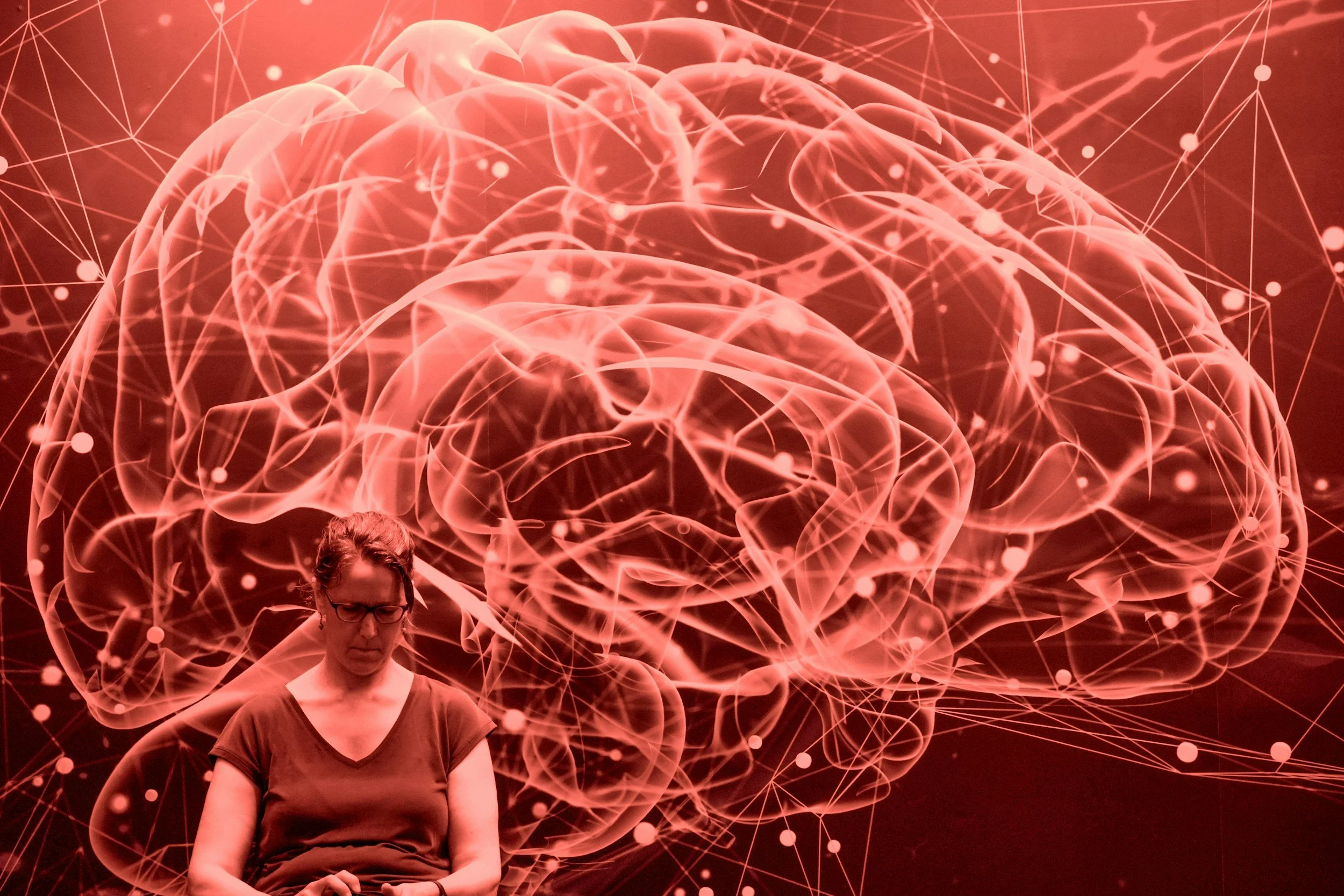
Evidence from neuroscience, anesthesiology, and psychedelic research to identify common mechanisms between psychedelic drugs and anaesthetic agents
This narrative review, synthesizes existing evidence from neuroscience, anesthesiology, and psychedelic research to identify common mechanisms between psychedelic drugs and anesthetic agents.
Key Findings
Shared brain mechanisms: Psychedelics and some anesthetics alter similar brain networks, including disrupting the default mode network and increasing communication between brain regions.
Consciousness continuum: Both produce altered states of consciousness through dynamic changes in brain activity, rather than simply turning consciousness "on" or "off."
Similar EEG patterns: Both are associated with reduced alpha brain waves and changes in neural activity, suggesting overlapping neurophysiology.
Potential neuroplasticity: Psychedelics and ketamine may activate pathways involved in synaptic plasticity and rapid antidepressant effects.
Clinical relevance: Neuroanesthesia may provide useful models for studying psychedelic therapies and improving understanding of consciousness.
Overall conclusion: The review suggests psychedelics and certain anesthetics share important neural mechanisms, but more high-quality human research is needed to confirm these links.
Abstract
Current neuroscience research calls into question the binary model of anesthesia as a state of consciousness shifted by unconsciousness, replacing it with an idea of consciousness as a continuum created by interactions between large-scale cortex and subcortical regions. Meanwhile, psychedelic drugs are making a comeback as potential treatments for treatment-resistant depression, post-traumatic stress disorder, anxiety during life-threatening illness and substance use disorders.
Classical serotonergic psychedelics (like psilocybin and lysergic acid diethylamide) have a primary target on 5-hydroxytryptamine 2A receptors, while the dissociative anesthetic ketamine inhibits N-methyl-D-aspartate receptors, and the weak gamma-aminobutyric acid–A receptor modulation is a component of the action of nitrous oxide. These agents interact differently with receptors, but have similar network-level effects on the human cortex, such as disruption of integrity of the default-mode network, loss of frontoparietal directed connectivity, increased between-network interactions, and characteristic EEG signatures that are strikingly similar to those seen during emergence from general anesthesia.
The anesthesiology paradigm offers a very unique and well controlled platform for dissecting the relative contribution of drug pharmacology, expectancy, and the conscious subjective experience – something that has been recently shown by ketamine masked by surgical anesthesia trials. Here, the current narrative review aims to bring together the latest available evidence on the intersection of psychedelic pharmacology and clinical anesthesia, focusing on common molecular targets, neural-network signatures, EEG correlates, and the therapeutic relevance of anesthetic emergence in specific psychiatric patient populations.
The implications for perioperative monitoring, perioperative sedation in vulnerable patients, and designing future placebo-controlled studies of psychedelics are discussed. These two literatures bring the neuroanesthesiologist into a crucial role in the future of clinical psychedelic science.
Sharma KK. Psychedelics and neuroanesthesia: A narrative review of converging mechanisms. J. Sci. Innov. Anesthesiol. 2026;1(2):38-44. doi: 10.65929/JSIA.2026.1.2.002 Read Paper
For more psychedelic news and research, visit the psychedelic health professional network homepage.
