
Surprising Variability in Tryptamine Profiles of Psilocybe cubensis Fruiting Bodies: Inter- and Intra-Strain Differences Across 14 Strains Cultivated Under Controlled Conditions
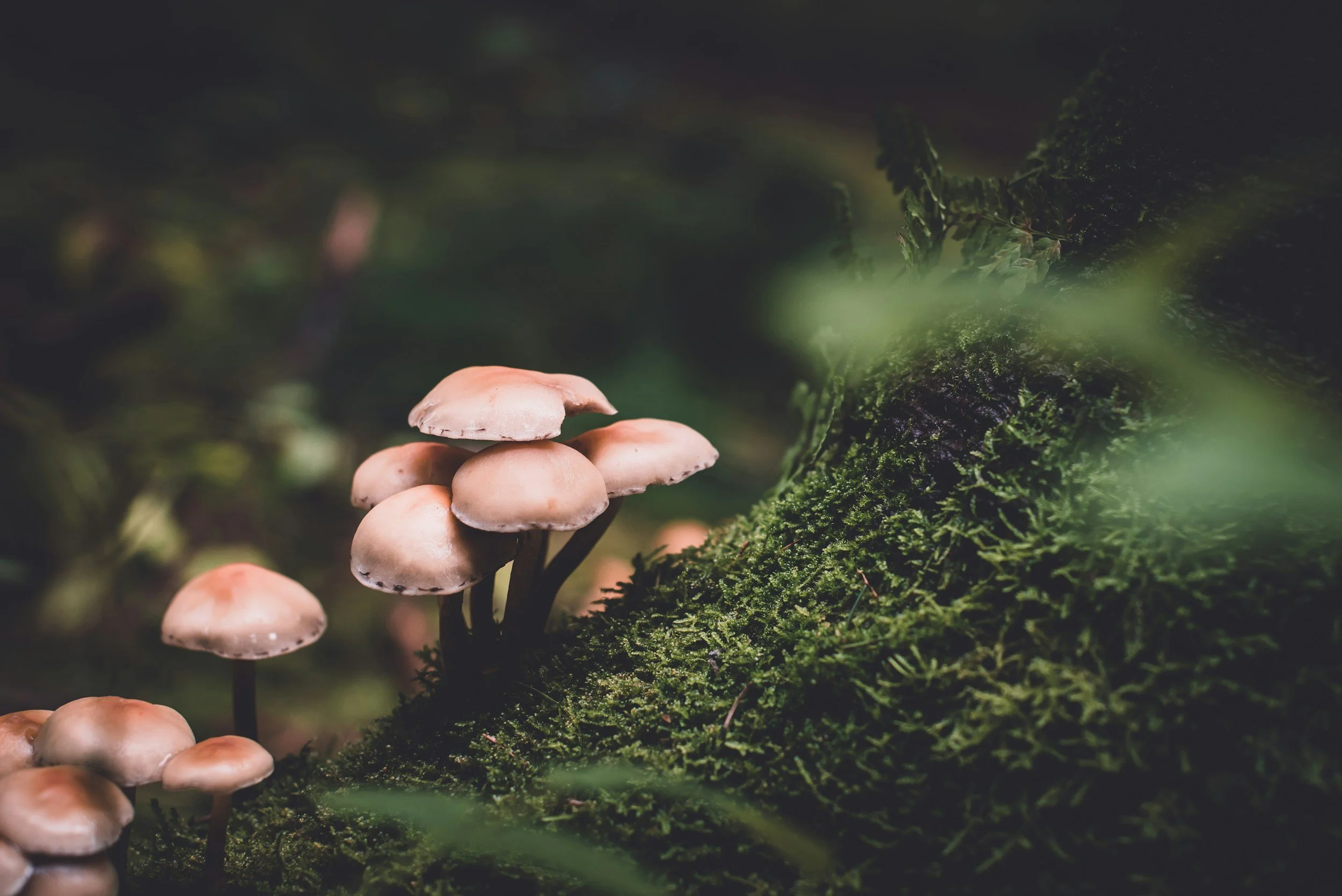
Tryptamine concentrations in Psilocybe cubensis mushrooms can vary by as much as 7.8-fold between strains, even when grown under identical controlled conditions.
In this new study, Sharchaton et al. (2026) show that chemical potency in Psilocybe cubensis is far more variable than many people assume—even when mushrooms are grown under identical laboratory conditions. This has important implications for both research and clinical applications.
Key points
Large differences in potency between strains
Psilocybin was the dominant alkaloid; however, concentrations differed dramatically:
Individual mushrooms from the same strain also varied
Each strain had a unique alkaloid profile
Tryptamine concentrations in Psilocybe cubensis mushrooms can vary by as much as 7.8-fold between strains, even when grown under identical controlled conditions.
Species identification is not enough
The authors conclude that knowing a mushroom is Psilocybe cubensis does not reliably predict its chemical composition or potency.
Strain identity is a much stronger determinant of alkaloid content than species identity alone.
Mushroom weight or species name alone is not a reliable indicator of potency, highlighting the need for chemical standardization in research and clinical applications
Abstract
Psilocybin-producing mushrooms exhibit considerable biochemical diversity, yet the extent of variability among strains within a single species under standardized conditions remains insufficiently characterized. In this study, we quantified psilocybin, psilocin, baeocystin, norbaeocystin, aeruginascin, and norpsilocin in the fruiting bodies of 14 distinct strains of Psilocybe cubensis. The mushroom strains were cultivated, dried, extracted, and analyzed under uniform laboratory conditions. Despite strict methodological standardization, total tryptamine concentrations varied by more than 7.8-fold among strains (from 2.62 to 20.65 mg/g), with psilocybin consistently emerging as the dominant compound.
Analysis of individual fruiting bodies within the selected strains revealed substantial intra-strain variability, with coefficients of variation for psilocybin ranging from 12.81% to 23.39% between individual fruiting bodies. These findings demonstrate that both inter- and intra-strain biochemical heterogeneity persist even under controlled conditions, underscoring the challenges of standardizing whole mushroom preparations for research or therapeutic use.
Our results highlight the importance of strain selection, rigorous chemical profiling, and dosing precision in future pharmacological and clinical applications of P. cubensis.
Sharchaton, A.; Parsha, S.; Azerrad, S.P.; Dekel, Y.; Rabah, N.; Páleníček, T.; Kurzbaum, E. Surprising Variability in Tryptamine Profiles of Psilocybe cubensis Fruiting Bodies: Inter- and Intra-Strain Differences Across 14 Strains Cultivated Under Controlled Conditions. J. Fungi 2026, 12, 486. https://doi.org/10.3390/jof12070486 Read Paper
For more psychedelic news and research, visit the psychedelic health professional network homepage.
