
Psilocybin asymmetrically modulates outcome-based choice and cortical processing under uncertainty
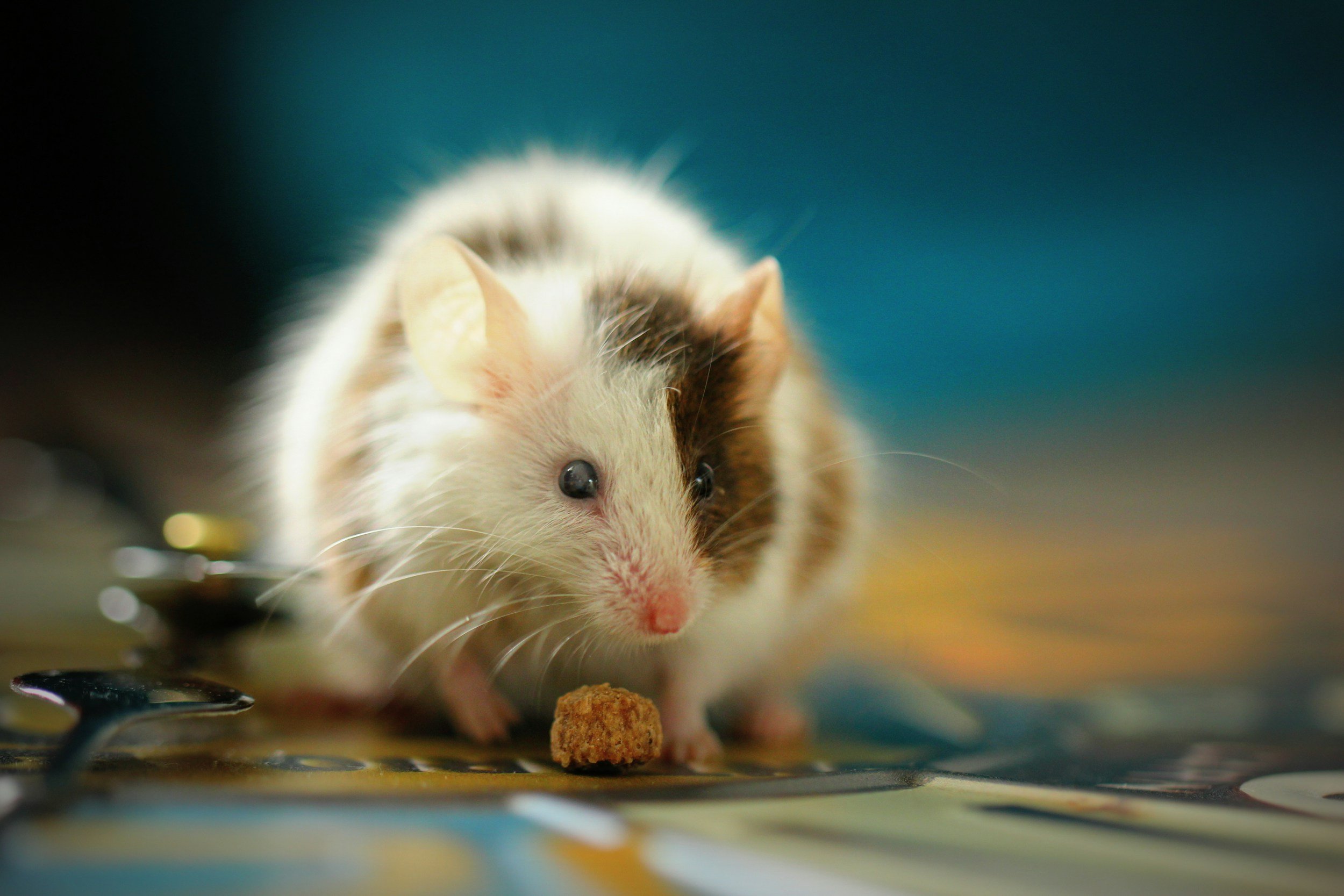
Psilocybin may help rodents make better choices
In a preclinical rodent study, psilocybin improved decision-making under uncertain conditions by increasing learning from rewarding experiences while reducing the influence of negative outcomes.
This was a rat model, psilocybin changed how the brain processes feedback during uncertain decision-making, increasing the influence of rewarding outcomes while reducing the impact of negative outcomes. These behavioural changes were linked to altered activity in the medial prefrontal cortex, suggesting a possible mechanism by which psychedelics may promote more flexible patterns of learning. Further research is needed to determine whether the same effects occur in humans.
Abstract
Emerging clinical research with psilocybin highlights the value of the psychedelic experience on successful treatment of a multitude of psychiatric disorders. While the psychedelic trip or clinical support procedures cannot be modeled in rodents, neural processes critical to meta-learning and flexible modification of previously learned strategies can be quantified during psilocybin exposure. Here we applied computational modeling and single unit recordings from medial prefrontal cortex to characterize the efect of psilocybin using a value-based probabilistic choice task.
Psilocybin improved choice selection in uncertain contexts and shifted reinforcement learning rate bidirectionally, enhancing updating from rewarded, while reducing updating from unrewarded, actions. These behavioral changes coincided with selective shifts in the neural encoding of task features including enhanced neural representation of rewarded, and diminished representation of unrewarded, outcomes.
Collectively these data indicate that psilocybin improves choice selection in uncertain contexts by reweighing cortical coding in a way that favors learning from positive new information over prospective actions.
David Jacobs, Alejandro Torrado Pacheco, Randall Olson, Angela J. Langdon, Bita Moghaddam Psilocybin asymmetrically modulates outcome-based choice and cortical processing under uncertainty bioRxiv 2026.07.16.733837; doi: https://doi.org/10.64898/2026.07.16.733837. Read Paper
For more psychedelic news and research, visit the psychedelic health professional network homepage.
