
Real-World Therapeutic Use of Ketamine in Clinical and Non-Clinical Settings: A Cross-Sectional Survey
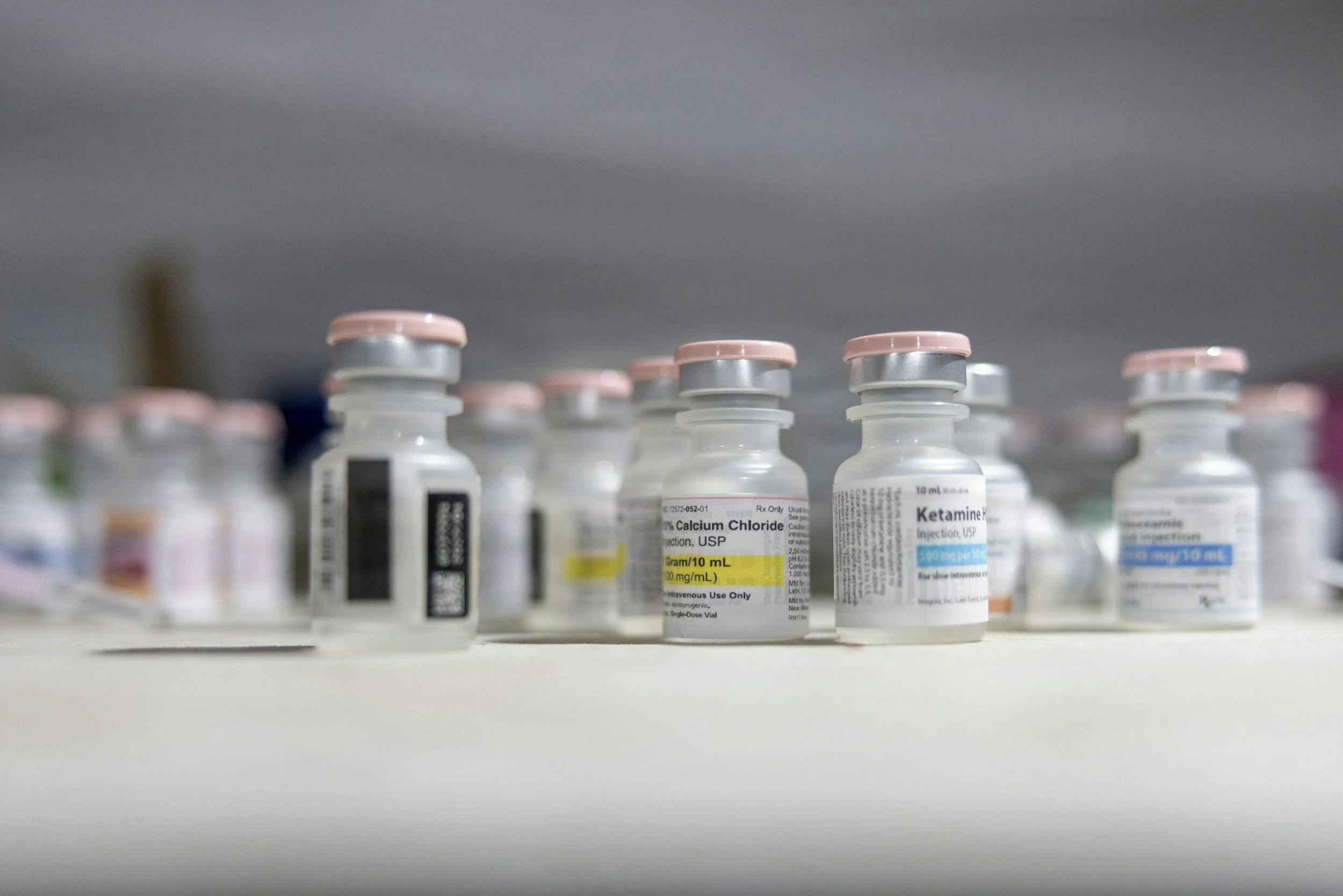
In this paper Syed et al. (2026) surveyed 460 ketamine users, comparing medically supervised use (n = 238) with non-clinical use (n = 222). Both groups rated ketamine’s perceived effectiveness highly, with no significant difference between them (83.3 versus 81.2 out of 100). Non-clinical users reported greater lifetime use of ketamine and other recreational substances and had higher odds of reporting long-term hallucinations (OR 2.58; 95% CI 1.08–6.31). Depression and anxiety symptoms at the time of the survey were similar between groups. The findings highlight potential risks associated with non-clinical ketamine use, but the observational design cannot establish causation or demonstrate equivalent therapeutic efficacy.
Abstract
The use of ketamine as a treatment for mood disorders continues to grow in popularity. However, the differences between individuals consuming ketamine within clinical settings and those self-medicating in casual, non-clinical settings has not been yet characterized. Using the 2023 Global Psychedelic Survey, this study aimed to examine the demographic and clinical characteristics, as well as the self-reported effectiveness and hallucination-related side effects, of ketamine use by comparing individuals using ketamine with and without medical supervision. Compared to clinical ketamine consumers (n = 238), non-clinical consumers (n = 222) were more experienced in use of various psychedelic (p < .0001) and non-psychedelic recreational substances (p < .001), and lifetime use of ketamine (p < .0001).
Both groups presented with similar mild depression and anxiety symptoms at the time of the survey collection (p = .22, p = .46). Ketamine was similarly and highly rated in effectiveness within both groups when rated on a scale of 0–100 (83.3 ± 15.0 clinical, 81.2 ± 16.6 non-clinical; p = .45). Non-clinical consumers presented higher odds of reporting long-term hallucinations following ketamine use (OR = 2.58, 95% CI: 1.08–6.31). The results of this study indicate a high self-reported effectiveness of ketamine in clinical and non-clinical settings while emphasizing the potential risks of side effects when used without medical supervision.
Syed, O. A., Petranker, R., Nestor, S. M., Husain, M. I., Lipsman, N., Alam, F., … Lucas, P. (2026). Real-World Therapeutic Use of Ketamine in Clinical and Non-Clinical Settings: A Cross-Sectional Survey. Journal of Psychoactive Drugs, 1–15. Read Paper
For more psychedelic news and research, visit the psychedelic health professional network homepage.
