
Inhaled N, N-dimethyltryptamine diminishes connectivity between the ventral tegmental area and the nucleus accumbens: relevance to pathologies of mesolimbic and mesocortical pathways
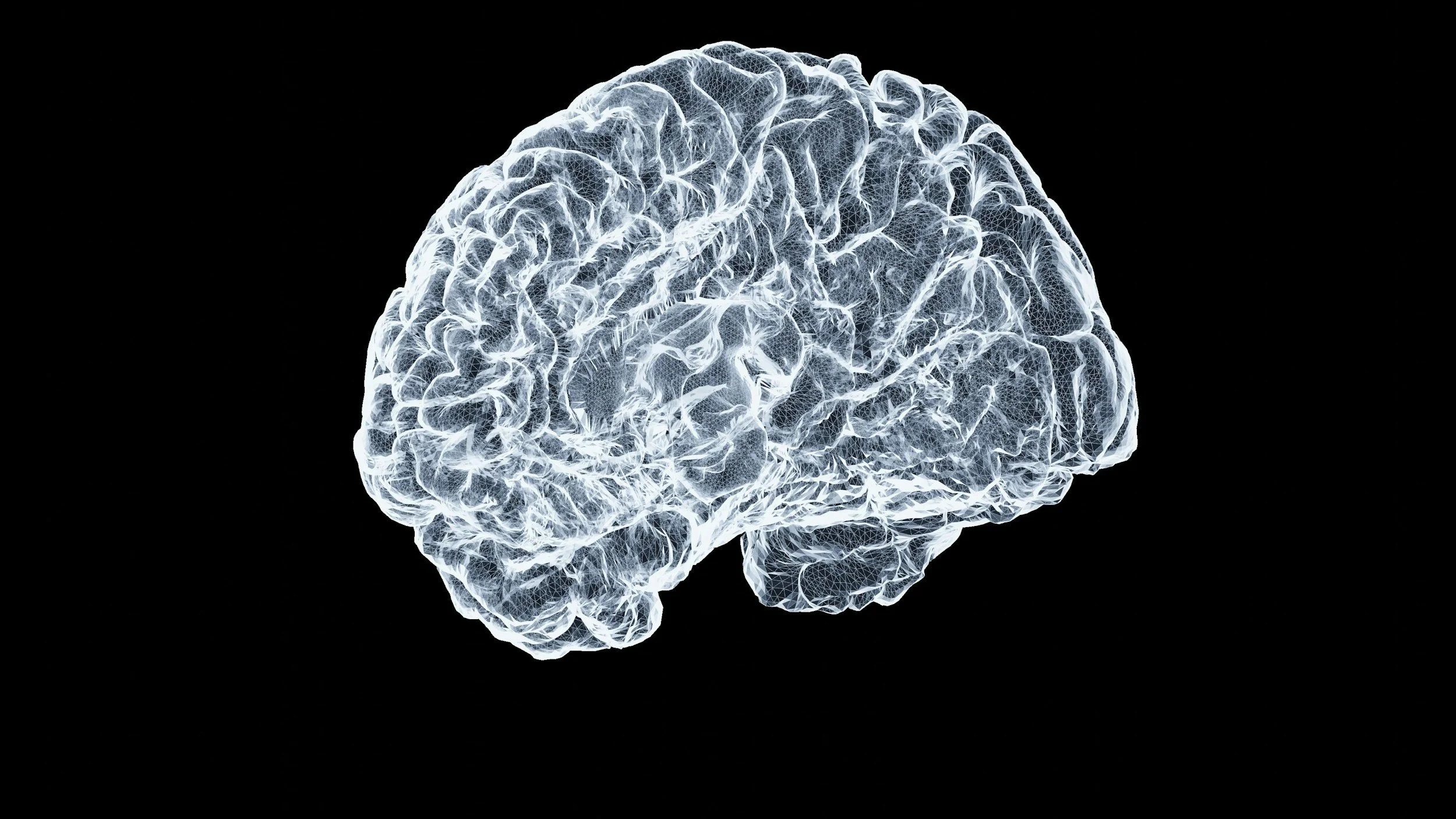
DMT significantly changed core reward-related neural connections:
The study investigated how inhaled N,N-dimethyltryptamine (DMT) affects resting-state functional connectivity (rsFC) within the mesocorticolimbic reward network in healthy adults. This network includes brain regions implicated in motivation, reward processing, and psychiatric disorders (e.g., addiction, depression)
“Reward processing is a broad psychological construct that can be parsed into distinct components known as “reinforcement learning” (learning), “reward responsiveness” (liking), and “motivation to obtain a reward” (wanting).
Dysfunctions in reward processing in mesolimbic and mesocortical pathways are a core feature of many pathologies. Psychedelics have been proposed as a treatment option for multiple disorders affecting the reward system, but mechanistic studies are lacking. In this preliminary, hypothesis-generating pharmacoimaging study, we evaluated the effects of inhaled N, N-dimethyltryptamine (DMT) with a particular focus on the connectivity of the mesocorticolimbic circuitry.
Our within-subject pharmacoimaging design included 11 healthy participants with prior experience in psychedelics. In the active condition, DMT was self-administered immediately before MRI acquisition, while in the control condition there was no administration.
We found decreased connectivity between the right nucleus accumbens (NAc) and the left ventral tegmental area (VTA), increased connectivity between the right NAc and anterior cingulate cortex (ACC) and increased connectivity between the medial prefrontal cortex (mPFC) and the ACC.
These results correlated with changes in volition and perception, as measured with the hallucination rating scale. In sum, we found reduced connectivity in the midbrain-NAc pathway, which connectivity is often increased in addiction, and increased connectivity between reward/affective regions and the ACC. These findings suggest a potential therapeutic potential of psychedelics in disorders affecting reward processing.”
Notes
No adverse events occurred during either the DMT or control sessions, suggesting the inhalation protocol was well-tolerated in this healthy sample
The results suggest that DMT acutely modulates functional connectivity in reward-related circuits by:
Dampening mesolimbic VTA-NAc coupling (possibly reducing hyper-motivation/“wanting”), and
Enhancing connectivity between reward regions and higher-order cortical areas (ACC, mPFC) linked with affective integration and executive control.
These neural effects may be relevant to conditions characterised by reward dysfunction (e.g., addiction, depression) and provide mechanistic insight into how psychedelics might influence motivational and emotional brain networks.
These findings propose a potential neurobiological basis for the therapeutic relevance of psychedelics in disorders with reward system dysregulation.
Lima, G., Soares, C., Teixeira, M., Pais, M., Cabral, C., Rijo, P., & Castelo-Branco, M. (2025). Inhaled N, N-dimethyltryptamine diminishes connectivity between the ventral tegmental area and the nucleus accumbens: relevance to pathologies of mesolimbic and mesocortical pathways. Scientific Reports. Read Paper
For more psychedelic news and research, visit the psychedelic health professional network homepage.
