
Psychedelics produce enduring behavioral effects and functional plasticity through mechanisms independent of structural plasticity
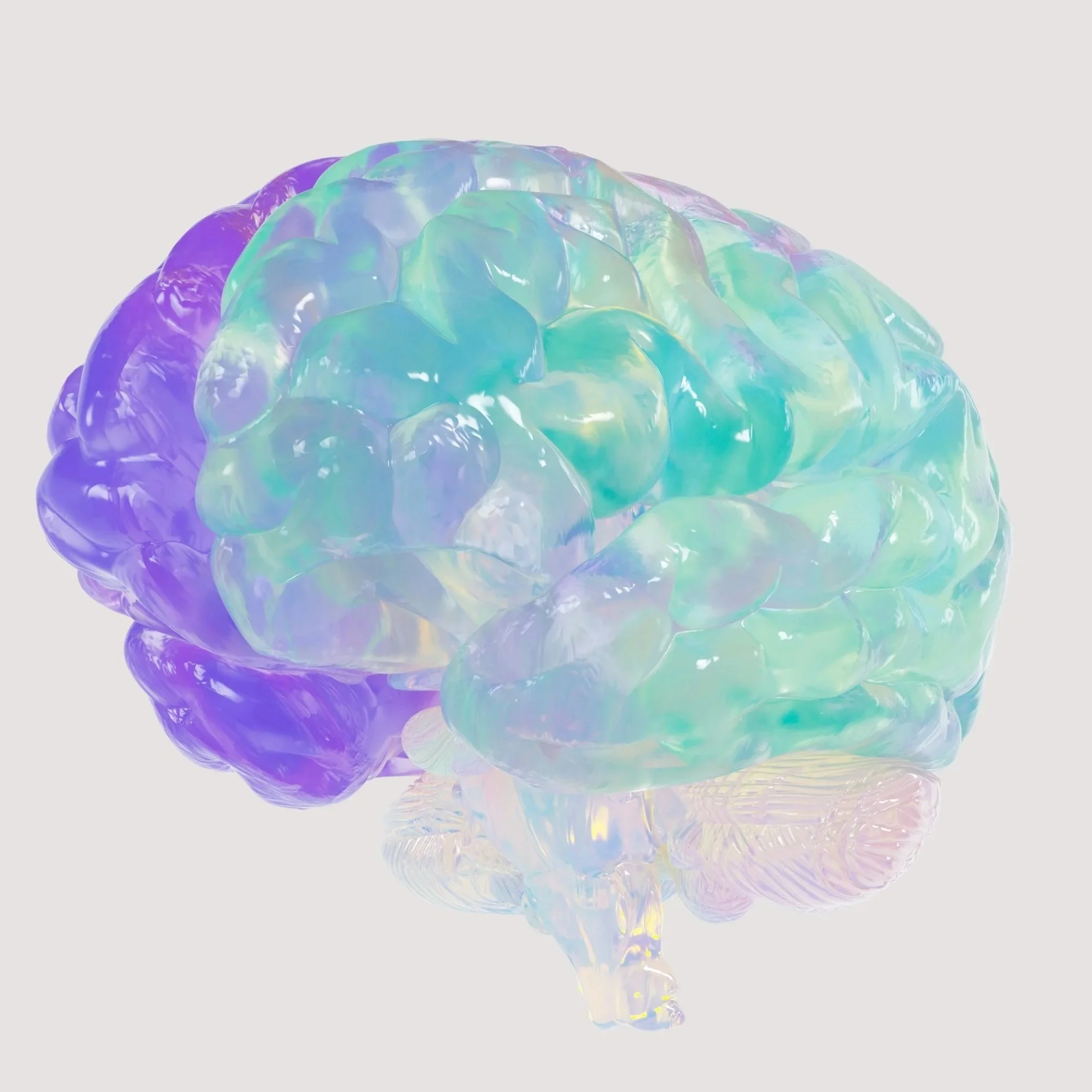
In this study researchers suggest how psychedelics could be used to treat mental health disorders by inducing functional changes in brain networks that help improve emotional and cognitive functioning. The fact that these changes are independent of structural plasticity could also indicate that psychedelics' effects might be more reversible and flexible than previously thought. The paper discusses the neurobiological pathways underlying these effects, with a particular focus on serotonin receptor activation, which is central to the effects of many psychedelics. It also explores how psychedelics affect the brain's default mode network (DMN) and other neural circuits involved in mood regulation and cognition.
“Activation of serotonin 2A (5-HT2A) receptors is thought to underly the long-lasting antidepressant effects of psychedelics such as psilocybin, but beyond that, the molecular and cellular mechanisms involved are not well understood. Recent preclinical studies using mice have primarily examined relatively short time points after psychedelic administration, which does not address the long-lasting effects of psilocybin in humans (i.e., several months or more).
We utilized a rat experimental system to demonstrate that both psilocybin and the selective 5-HT2A receptor agonist 25CN-NBOH reduce immobility in the forced swim test without a decrease in effect size for at least three months after a single administration of the psychedelic. There were no overt behavioral differences between psilocybin and 25CN-NBOH treated animals, suggesting 5-HT2A receptor activation is sufficient to produce long-lasting behavioral changes. Functional cellular plasticity in neurons from the medial prefrontal cortex (mPFC) of these animals was assessed using brain slice electrophysiology.
Functional plasticity was evident for both psychedelics several months after treatment, and Layer 5 excitatory pyramidal neurons demonstrated significant changes in resting membrane potential, firing rates, and synaptic excitation. Recorded neurons were examined by microscopy for synaptic density and spine classification, which found no differences between control and psychedelic-treated. Gene expression studies for several presynaptic and postsynaptic markers in the mPFC indicated no differences in expression between groups.
Together, our results indicate a single treatment with a psychedelic is sufficient to elicit very long-lasting behavioral and cellular changes through enduring function plasticity rather than structural plasticity.”
Comments:
The study concludes that psychedelics have the potential to produce long-lasting behavioural changes through mechanisms that do not rely on structural changes in the brain. This suggests a more dynamic model of how psychedelics might work therapeutically, where functional plasticity may be key to their positive effects. These insights challenge previous models that emphasised structural plasticity as the primary mechanism of action for psychedelics and open the door to a deeper understanding of their therapeutic potential.
Kramer, H.M., Hibicke, M., Middleton, J. et al. Psychedelics produce enduring behavioral effects and functional plasticity through mechanisms independent of structural plasticity. Neuropsychopharmacol. (2025). Link
For more psychedelic news and research, visit the psychedelic health professional network homepage.
