
Ayahuasca and Salvia divinorum as contrasting modes of consciousness reorganization: Implications for psychedelic-assisted psychotherapy
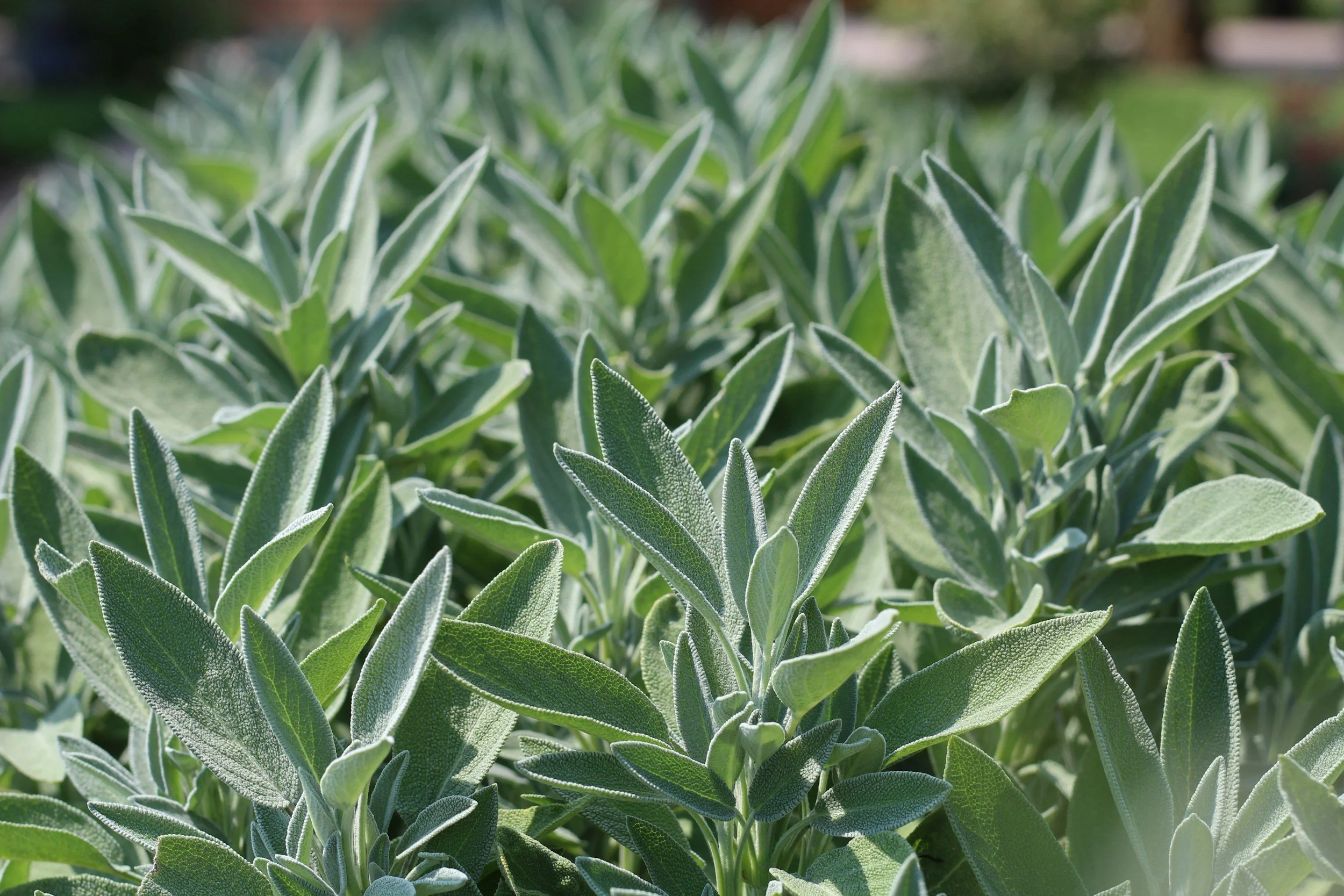
According to a comparative review published in the Journal of Psychedelic Studies, ayahuasca and Salvia divinorum appear to reorganise consciousness through contrasting neurobiological mechanisms and produce markedly different subjective experiences.
A comparative review from NOSM University contrasts ayahuasca’s slower, more integrative effects with Salvia divinorum’s rapid disruption of body and self-experience. It considers how these contrasting forms of consciousness reorganisation might inform psychedelic-assisted psychotherapy.
Ross (2026) proposes, based on a comparative review of existing evidence, that ayahuasca and Salvia divinorum represent contrasting modes of consciousness reorganisation—ayahuasca primarily promoting integrative expansion through serotonergic mechanisms, while salvinorin A produces rapid destabilisation and disruption of the self-model through KOR agonism—and suggests that both integrative and disruptive processes could potentially contribute to therapeutic change, although clinical evidence for salvinorin A remains very limited.
Abstract
Background and aims
Contemporary psychedelic science has focused predominantly on serotonergic compounds such as psilocybin and ayahuasca which act primarily via 5-HT2A receptors. They are associated with characteristic patterns of large-scale brain network organization and elicit similar subjective experiences. By contrast, Salvia divinorum, whose active compound salvinorin A is a potent and selective kappa-opioid receptor (KOR) agonist, remains marginal to prevailing models of psychedelic action. This review compares these entheogens as distinct neurophenomenological pathways into altered states of consciousness.
Methods
This is a comparative, non-empirical review integrating evidence from Indigenous ritual frameworks, pharmacology, human and preclinical studies, phenomenology, and systems neuroscience.
Results
Ayahuasca exemplifies serotonergic psychedelic action, characterized by reduced default mode network coherence, increased cross-network connectivity, and emotionally and symbolically rich experiences, alongside emerging evidence for antidepressant effects within psychedelic-assisted psychotherapy. In contrast, S. divinorum produces a rapid and short-lived state marked by KOR-mediated modulation of dopaminergic and glutamatergic systems, with prominent effects on interoception, body ownership, and sensory integration. Recent findings suggest that salvinorin A alters large-scale functional connectivity, but in a manner distinct from serotonergic psychedelics, and is associated with a qualitatively distinct pattern of large-scale network coordination together with a phenomenology of disembodiment and discontinuity.
Conclusions
These profiles represent distinct modes of consciousness reorganization through suspension of the brain's self-model: serotonergic psychedelics through integrative expansion, and KOR agonism through destabilization and rupture. Within psychedelic-assisted psychotherapy, therapeutic change may arise through both integrative and disruptive mechanisms. While serotonergic approaches are advancing toward clinical translation, carefully controlled research on S. divinorum may be warranted.
Ross, B. M. (2026). Ayahuasca and Salvia divinorum as contrasting modes of consciousness reorganization: Implications for psychedelic-assisted psychotherapy. Journal of Psychedelic Studies. Advance online publication. Read Paper
For more psychedelic news and research, visit the psychedelic health professional network homepage.
