
Apomorphine and psilocybin to improve recovery from coma in the intensive care unit: protocol for a prospective, open-label, dose-escalation study
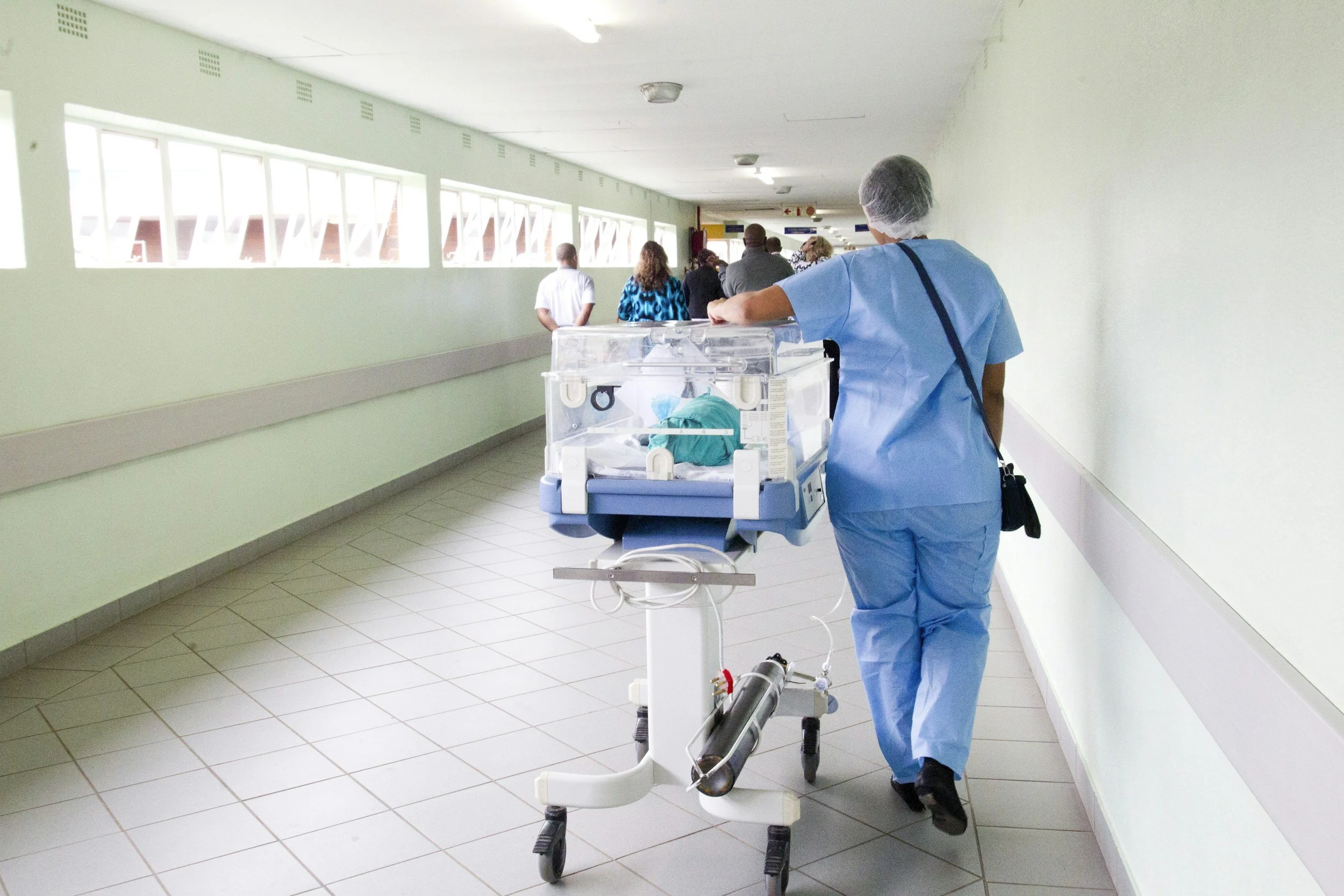
A new trial will test whether psilocybin and apomorphine can help unresponsive ICU patients awaken from a coma.
This newly published paper is a study protocol so there are no clinical findings yet. The key contribution of the study is that it outlines a first-in-human, phase 1b, open-label, dose-escalation trial designed to test whether combining psilocybin (1, 10 or 25 mg) with apomorphine (2 mg) is safe and feasible in 80 intensive care patients with coma or other disorders of consciousness following severe brain injury. The scientific rationale is that consciousness has two components—arousal (wakefulness) and awareness (cognitive processing)—and that apomorphine, through dopaminergic stimulation, may enhance arousal, while psilocybin may increase neural complexity, connectivity and markers of awareness measured by EEG and pupillometry.
The primary outcome is time to awakening within 30 days, with extensive monitoring for serious adverse events and exploratory assessment of consciousness recovery. Because the trial is ongoing, the paper does not demonstrate efficacy; rather, it establishes the hypothesis, methodology and safety framework for testing whether this novel pharmacological approach could promote recovery of consciousness after acute brain injury
Abstract
Introduction Recovery of consciousness after brain injury remains a major challenge in the intensive care unit (ICU), and pharmacological treatments that directly promote awakening from coma and other disorders of consciousness (DoC) are lacking. We hypothesise that simultaneously targeting the two core components of consciousness by pharmacological means—arousal with apomorphine and awareness with psilocybin—is safe in the ICU and may facilitate evidence of cerebral reserves after brain injury.
Methods and analysis This trial aims to evaluate the safety and potential efficacy of apomorphine and psilocybin in unresponsive ICU patients with brain injury. We will conduct a prospective, open-label, bicentric, phase 1b, dose-escalation study enrolling 80 ICU patients with DoC. Participants will be allocated to three dose-escalation cohorts. Cohort 1 (n=26) will receive 1 mg psilocybin, Cohort 2 (n=27) 10 mg psilocybin and Cohort 3 (n=27) 25 mg psilocybin. One hour after psilocybin, all patients will receive 2 mg subcutaneous apomorphine. Primary outcome is time to awakening within 30 days. Secondary outcomes are serious somatic and neuropsychiatric adverse events. Exploratory outcomes comprise changes in consciousness assessed by clinical scales, automated pupillometry, electroencephalography activity and functional outcome at 90 days. An independent Data Safety Monitoring Board will conduct interim analyses prior to dose escalations.
Ethics and dissemination The trial was authorised by the Danish Medical Research Ethics Committees and the Danish Medicines Agency through the Clinical Trials Information System (EU CT number 2023–503617-30-02). The study is considered to involve relatively low risk with the potential to improve future treatment options for DoC patients. If psilocybin and apomorphine are shown to be safe, this would justify a larger multicentre randomised trial to evaluate clinical efficacy. Findings will be disseminated through peer-reviewed journals and scientific conferences.
Eigenbrodt AK, Laigaard PP, Hassani M, et al Apomorphine and psilocybin to improve recovery from coma in the intensive care unit: protocol for a prospective, open-label, dose-escalation study BMJ Open 2026;16:e124508. doi: 10.1136/bmjopen-2026-124508 Read Paper
For more psychedelic news and research, visit the psychedelic health professional network homepage.
