
Fear and Loathing in the United Nations: The Establishment of International Control of Psychedelics Through the 1971 Convention on Psychotropic Substances
A recent study published in Contemporary Drug Problems argues that the strict global prohibition of psychedelic drugs was driven more by political ideology and media panic than by scientific evidence of medical harm. The historical analysis reveals that the 1971 United Nations decision to heavily restrict these substances relied on cultural anxieties rather than genuine public health risks. These findings suggest that current international drug laws may need to be reevaluated to remove unnecessary barriers to modern medical research.
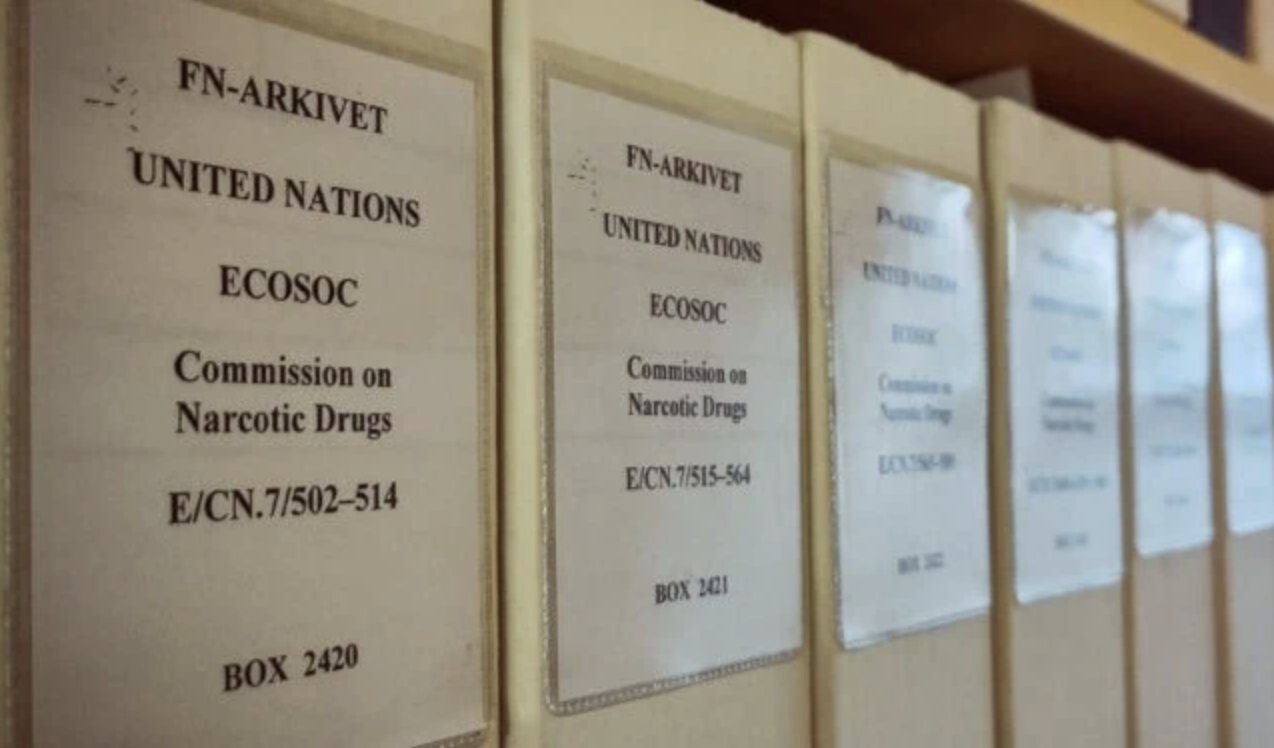
This article explores the processes that led to the inclusion of psychedelics under the 1971 Convention on Psychotropic Substances, a cornerstone of international drug control. Drawing on archival records, we analyze the narratives and dynamics that shaped this decision. Despite limited scientific evidence of public health dangers, concerns about psychedelics were amplified by sensationalized media focused on their perceived risks, including dependency potential and associations with youth counterculture.
The Cold War context influenced international consensus, with Eastern Bloc nations framing drug issues as Western societal failures while Western nations emphasized drug control as a public health priority. While tobacco, alcohol, sedatives, and stimulants benefited from cultural, political, and economic advocacy, psychedelics had no such support, which facilitated their stricter regulation.
However, the United States played a pivotal role in preserving allowances for psychedelic research and the use of psychedelic plants, counterbalancing proposals from France and the USSR for more restrictive measures. Building on previous studies in global drug diplomacy, the article underscores the interplay of ideological, cultural, political, and institutional factors in shaping international drug policy.
While this historical analysis provides helpful context, the study does have a few limitations. Archival documents only capture what was formally recorded, meaning that informal conversations or undocumented political pressures might be missing from the historical record. The researchers also focused primarily on the United Nations process, which may not fully represent the domestic political situations within every individual member country.
Bergkvist, M., Barrett, D., Edman, J., & Johnson, B. (2026). Fear and Loathing in the United Nations: The Establishment of International Control of Psychedelics Through the 1971 Convention on Psychotropic Substances. Contemporary Drug Problems, 0(0). Read Paper
For more psychedelic news and research, visit the psychedelic health professional network homepage.
