
Psilocybin and Ibogaine in Cocaine-Seeking: Extinction Enhancement Without Relapse Prevention
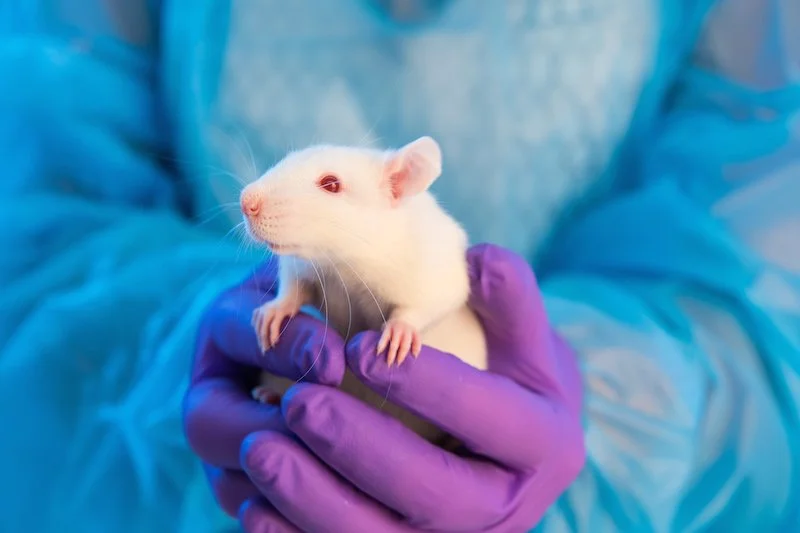
This recent preclinical rat study used male Wistar rats trained to self-administer cocaine intravenously. A clinically-inspired dose-escalation protocol was used to test whether psilocybin and ibogaine could reduce cocaine-seeking during extinction and prevent relapse under cue-induced reinstatement conditions. The authors conclude that both compounds show promise in facilitating extinction learning, and that psilocybin's trend toward reducing reinstatement suggests possible protective effects against relapse. They call for further research to investigate antiaddictive efficacy more fully, including studies that compare different paradigms (extinction vs. abstinence vs. contextual withdrawal) and incorporate models of chronic neuroadaptation.
“ Psychedelics have emerged as potential therapeutics for substance use disorders, yet preclinical data validating their efficacy remain limited. Here, we investigated the effects of a clinically inspired dose-escalation protocol of psilocybin and ibogaine on extinction and cue-induced reinstatement in Wistar male rats following intravenous cocaine self-administration (IVSA). Rats were trained on a fixed ratio 1 (FR1) schedule with cocaine dose-escalation during the acquisition phase (0.25 mg/kg/infusion, followed by 0.5 mg/kg/infusion).
Following acquisition, animals were randomised into treatment groups and then subjected to 10 days of extinction. Psilocybin (1.25 mg/kg and 5 mg/kg) or ibogaine (10 mg/kg and 40 mg/kg) was administered subcutaneously and intraperitoneally, respectively, on extinction days 1 and 5. A cue-induced reinstatement test was conducted 6 days after the last treatment. Both treatments significantly modulated behaviour during extinction; psilocybin reduced active lever pressing 1 day after the second dose, with a nonsignificant reduction already apparent after the first dose, while the effect of ibogaine was significant even after the first administration. However, neither compound significantly altered reinstatement behaviour, although psilocybin showed a trend toward attenuation.
The applied treatment had no side effects on general locomotor activity or anxiety-like behaviour, as measured in the open field test 24 h after each administration. These findings support a role for psilocybin and ibogaine in facilitating extinction learning and suggest possible protective effects against relapse, warranting further research into their anti-addictive efficacy.”
I. R. A.Koutrouli, V.Brejtr, M.Schwendt, et al., “Psilocybin and Ibogaine in Cocaine-Seeking: Extinction Enhancement Without Relapse Prevention,” Addiction Biology31, no. 3 (2026): e70111, Read Paper
For more psychedelic news and research, visit the psychedelic health professional network homepage.
